Rain water storage – good value or just a ‘feel good’?
Given the infrastructure, maintenance and pumping costs and the (presently (2022)) low cost of mains water, it is difficult to imagine pumped rain water storage would be an economically viable proposition. However, to gain any sense of the economic viability, some form of metering of rain water usage is required. Hence ‘The Meter’ project was conceived.
The home.
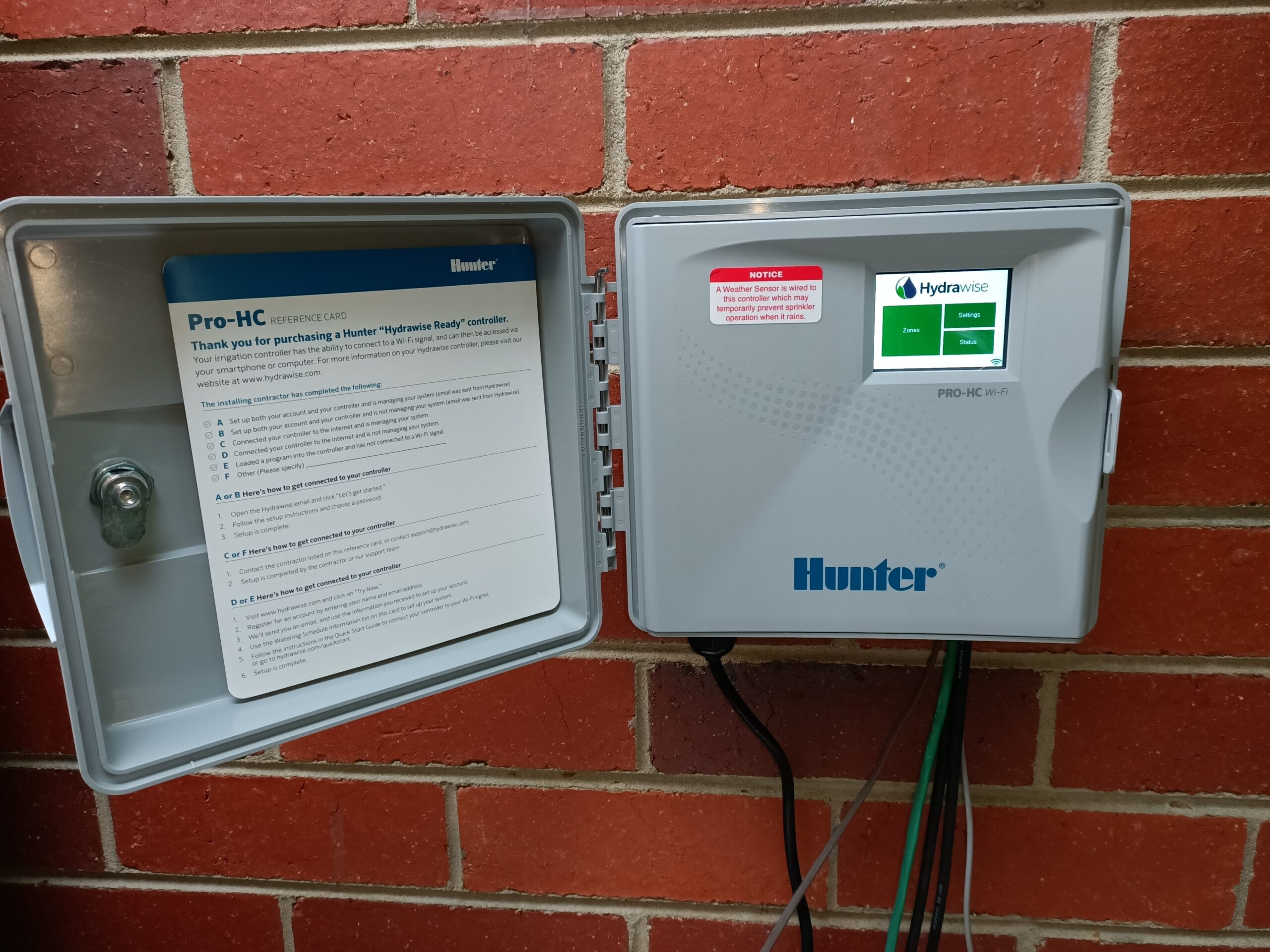
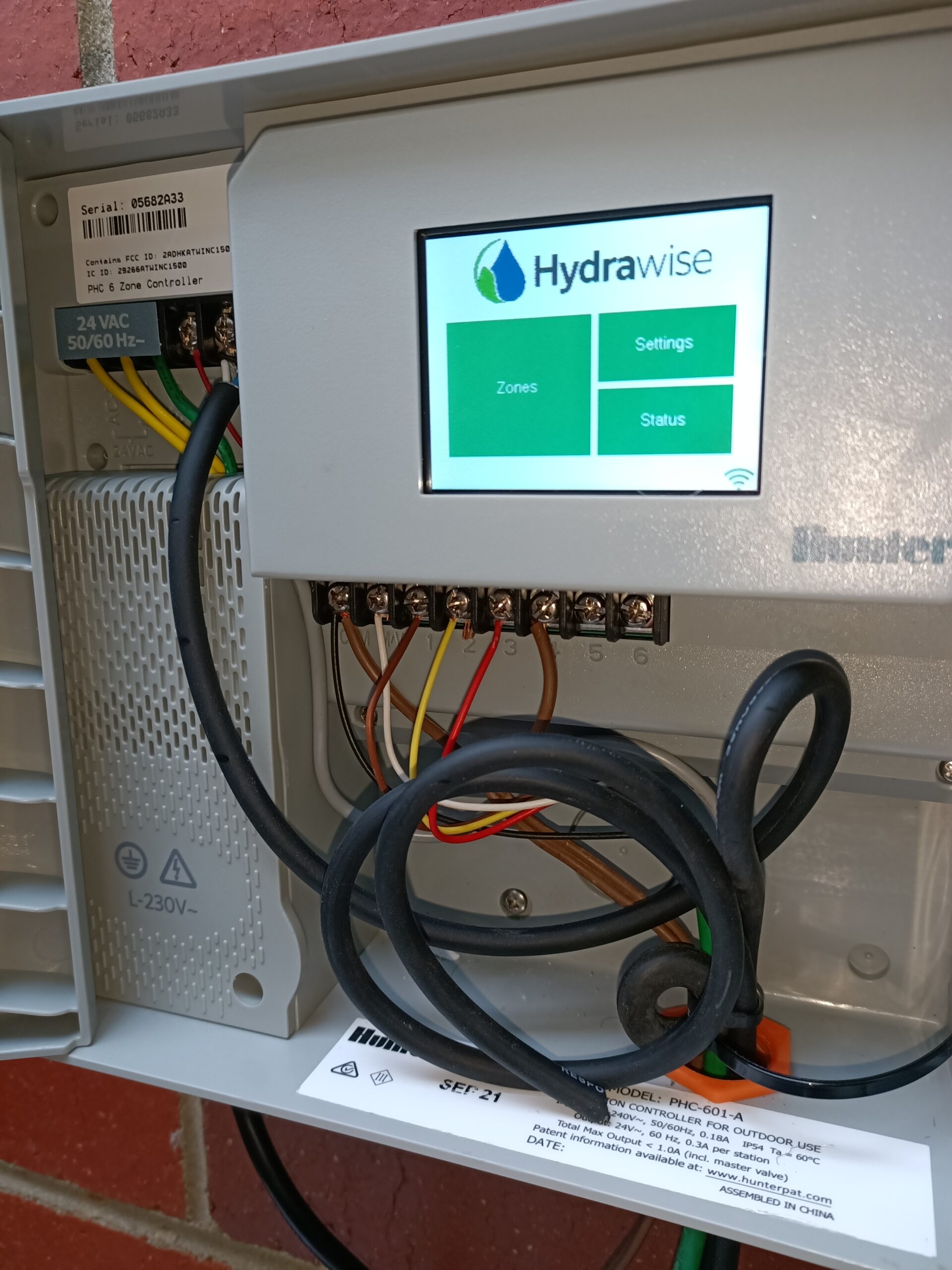
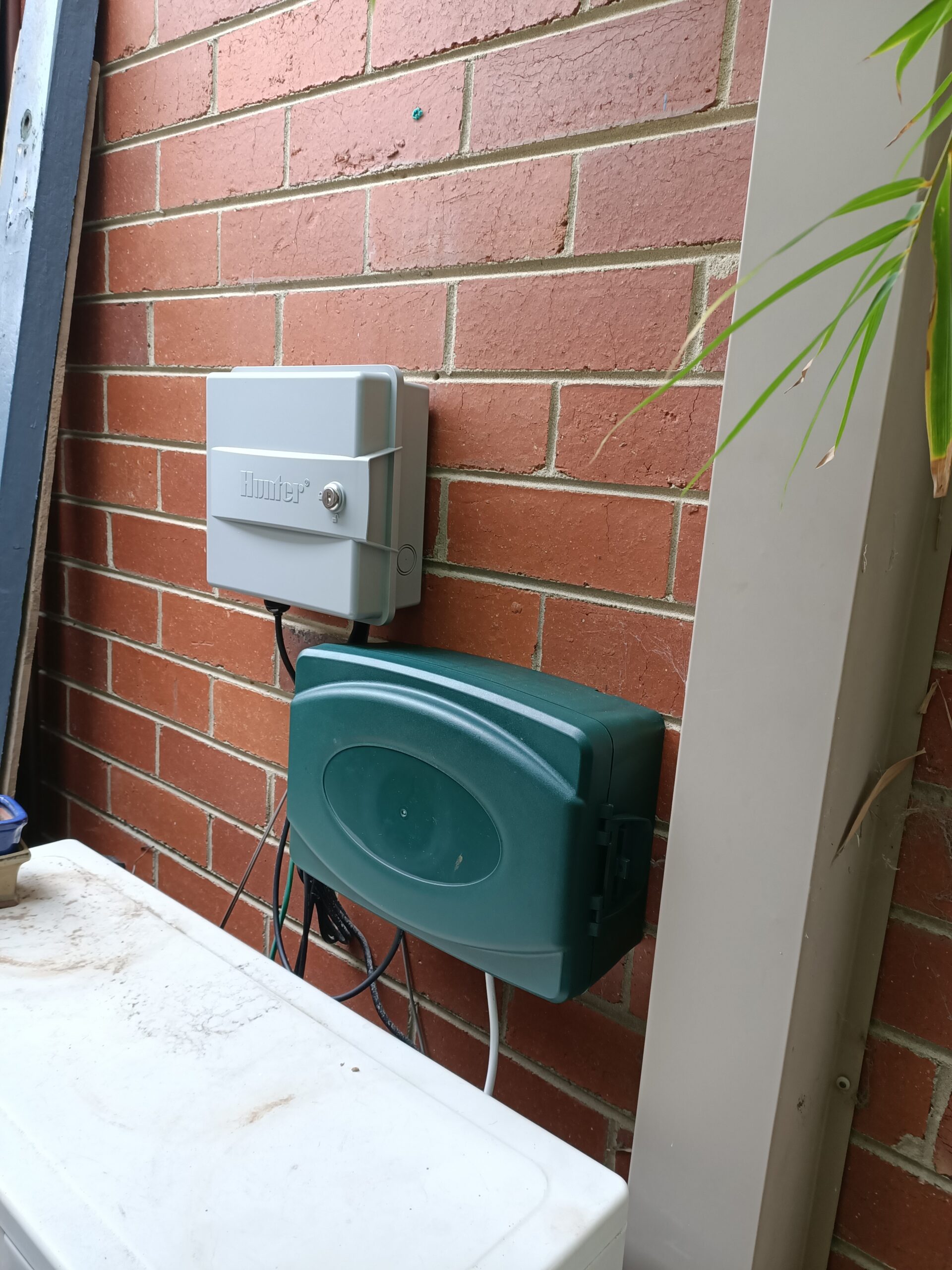
- A four zone drip irrigation system connected to a Hunter Pro HC WiFi controller and flow meter. This system includes predictive watering, mobile app control, and most importantly, leak detection.
- About 10,000 litres of rain water storage in bladder tanks located under the deck at the rear of the home. Most roof space is collected via first-flush diverters. A 40mm rainfall will fill the tanks.
- A Davey Rain-Bank pump that automatically pumps rain water if available, otherwise it simply allows mains water through.
- Downstream from the Rain-Bank pump is the irrigation system, two toilets, the laundry washing machine and two garden taps in the back yard.
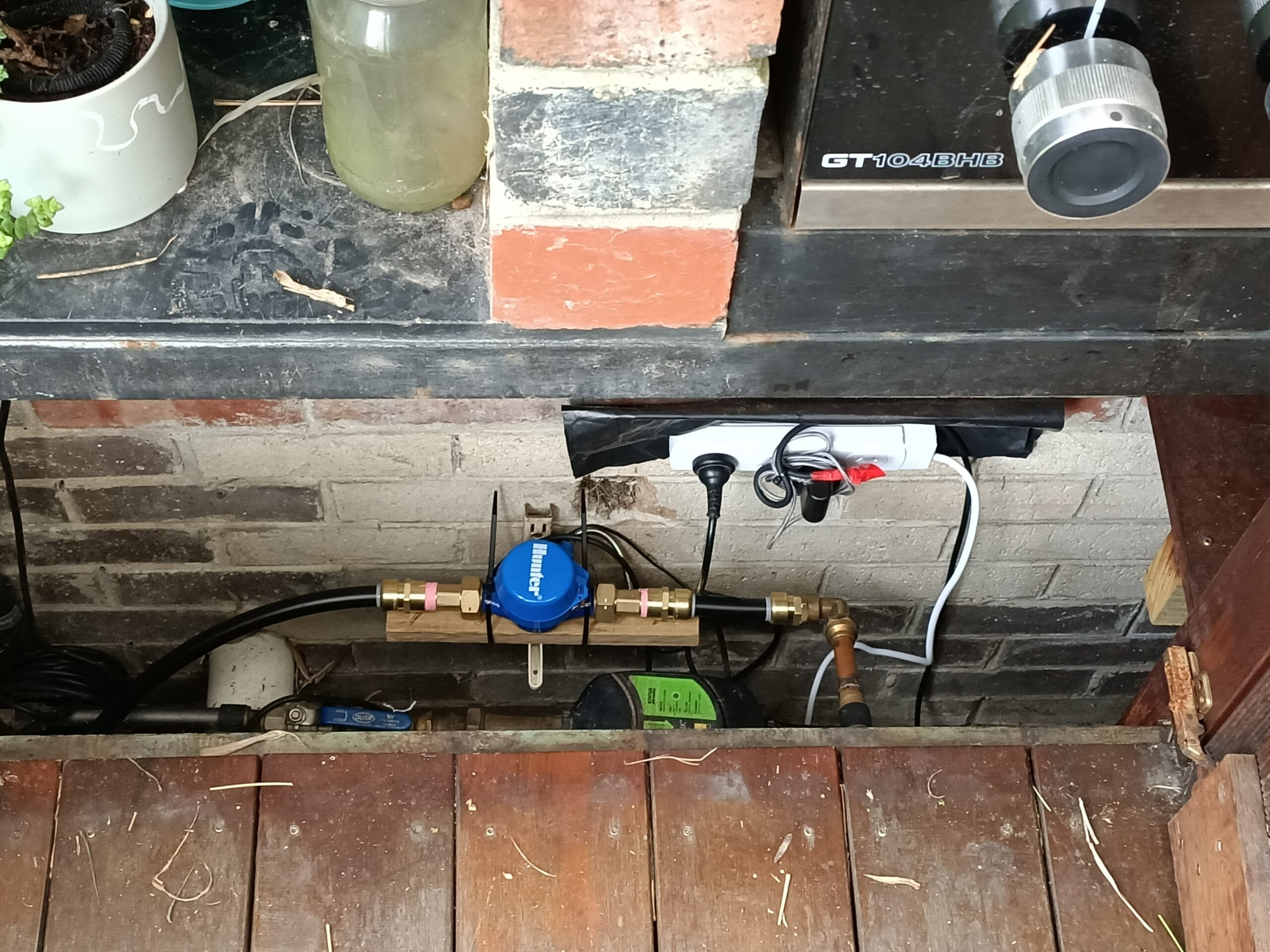
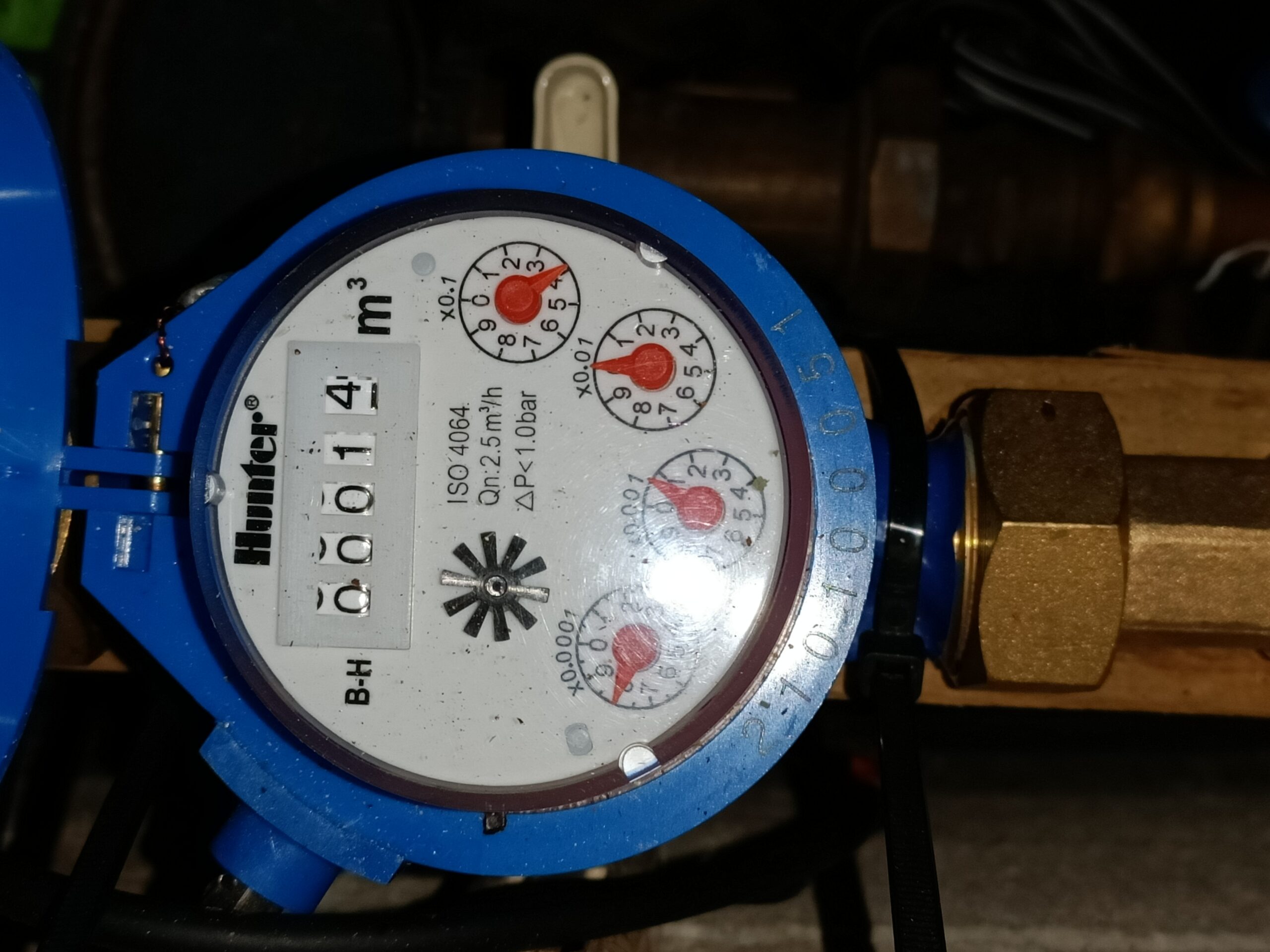
With the recent (Apr 2022) installation of the irrigation controller and flow meter, it became possible to meter water downstream of the tanks and, if the pump was running or not, litres of water from mains (pump not running) or tanks (pump running) could be determined.
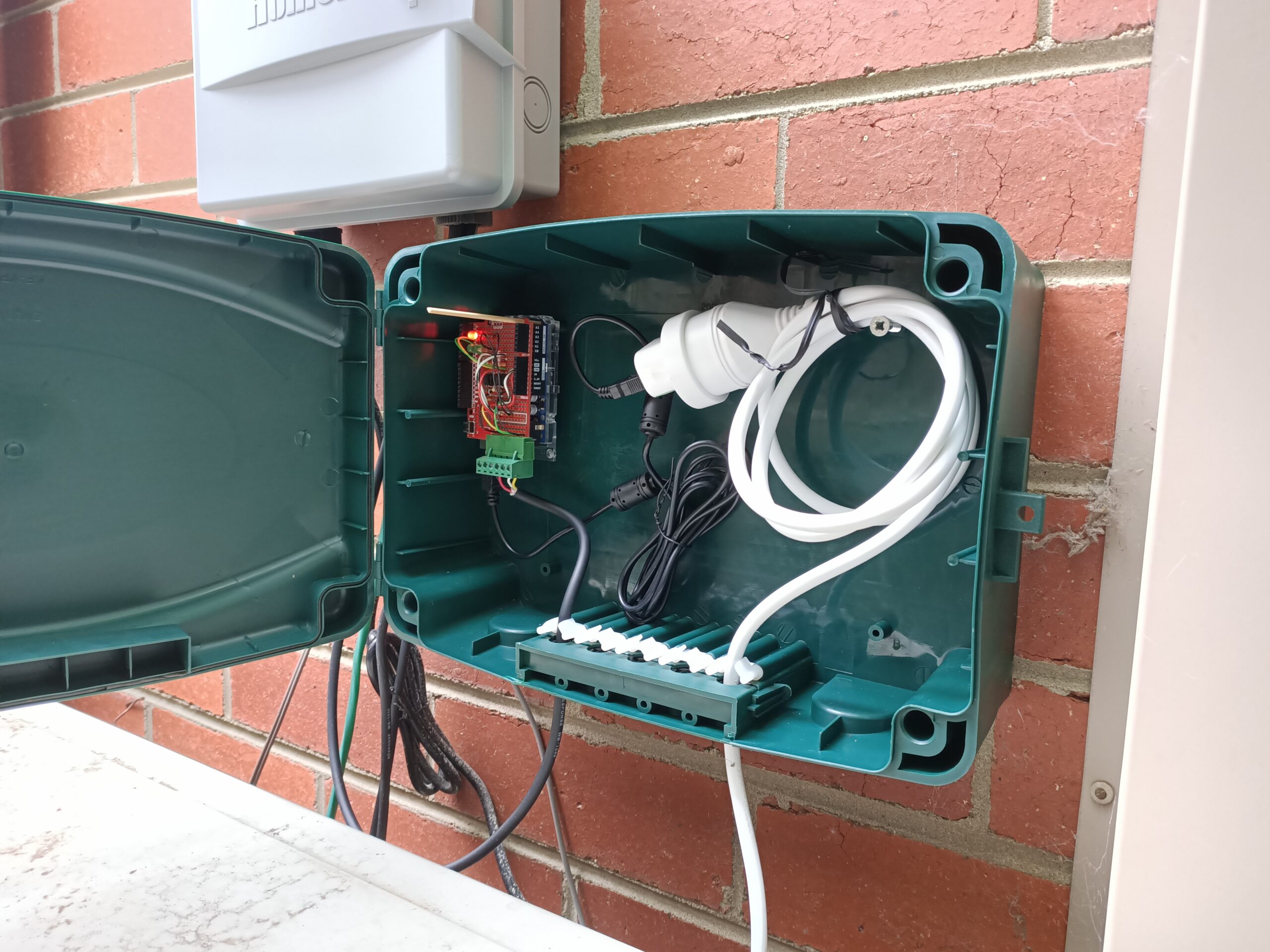
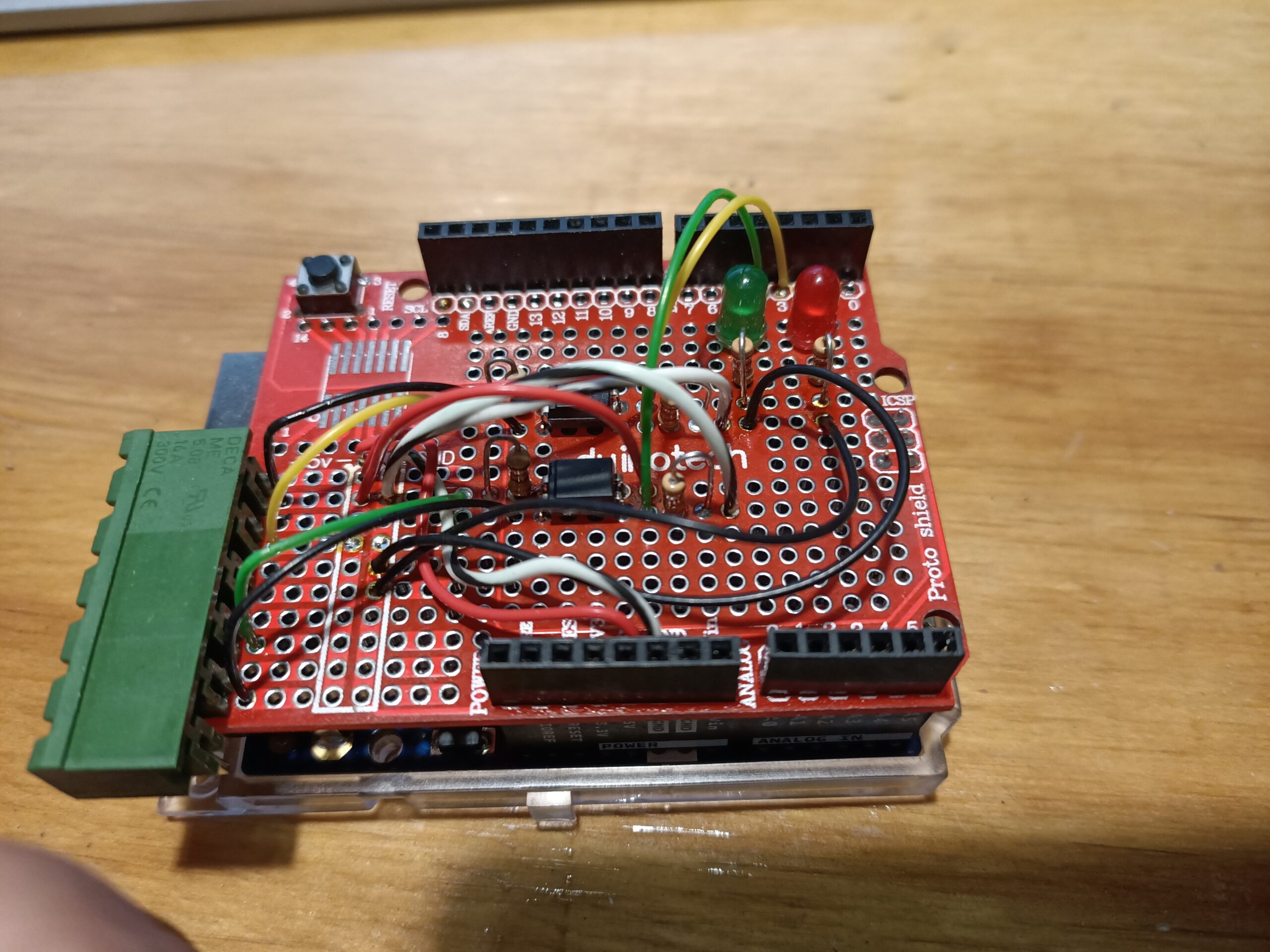
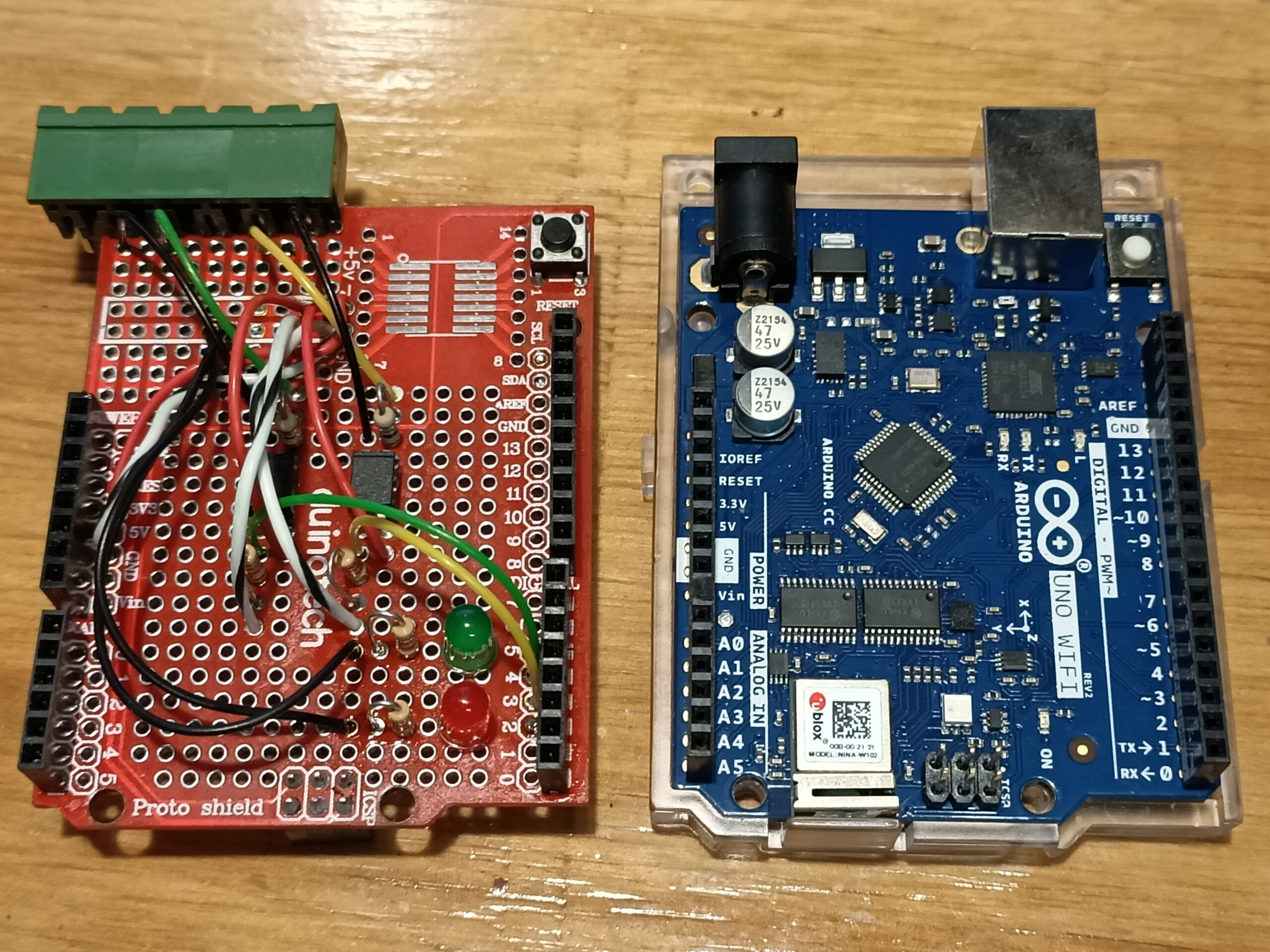
‘The Meter’
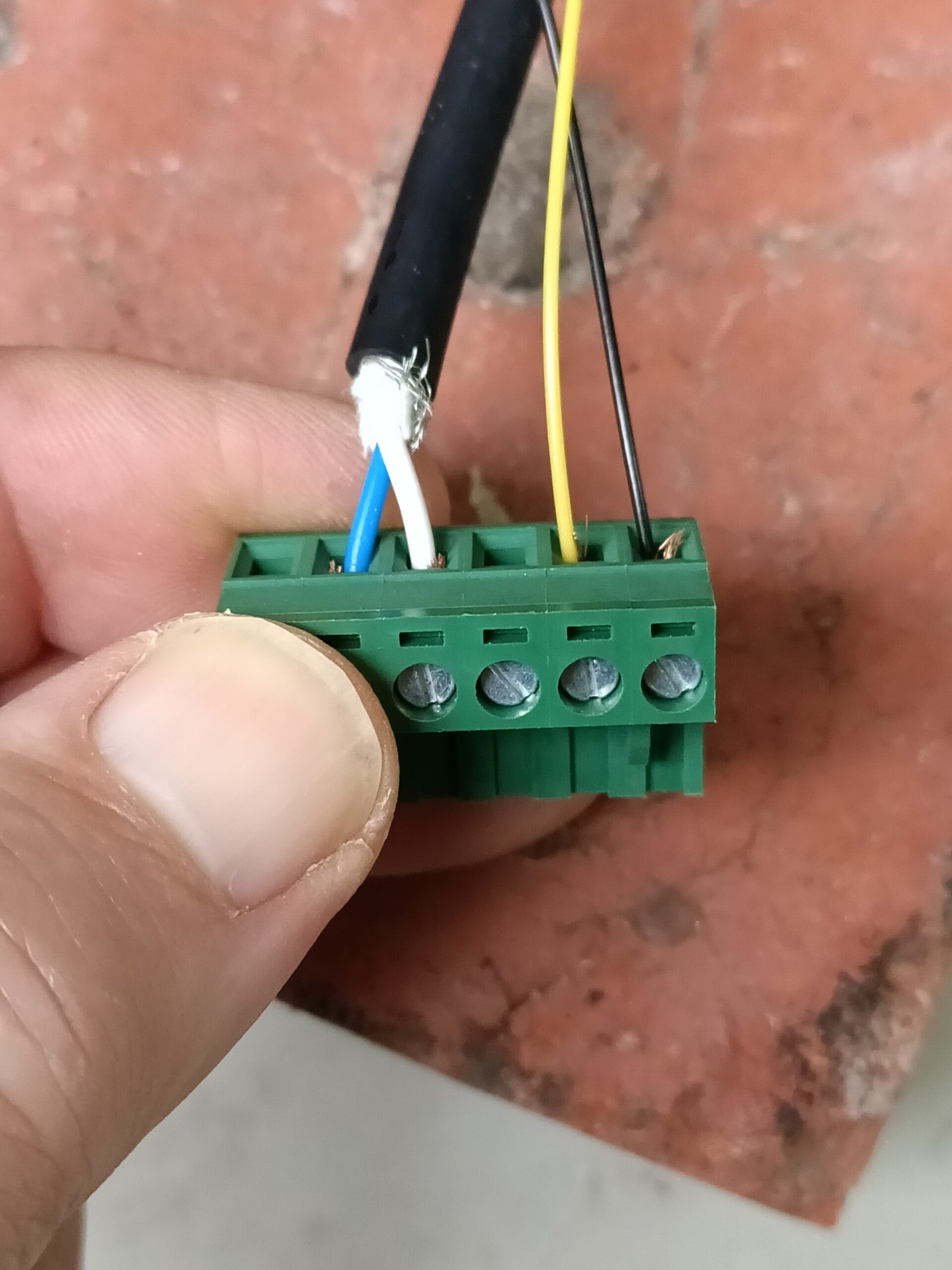
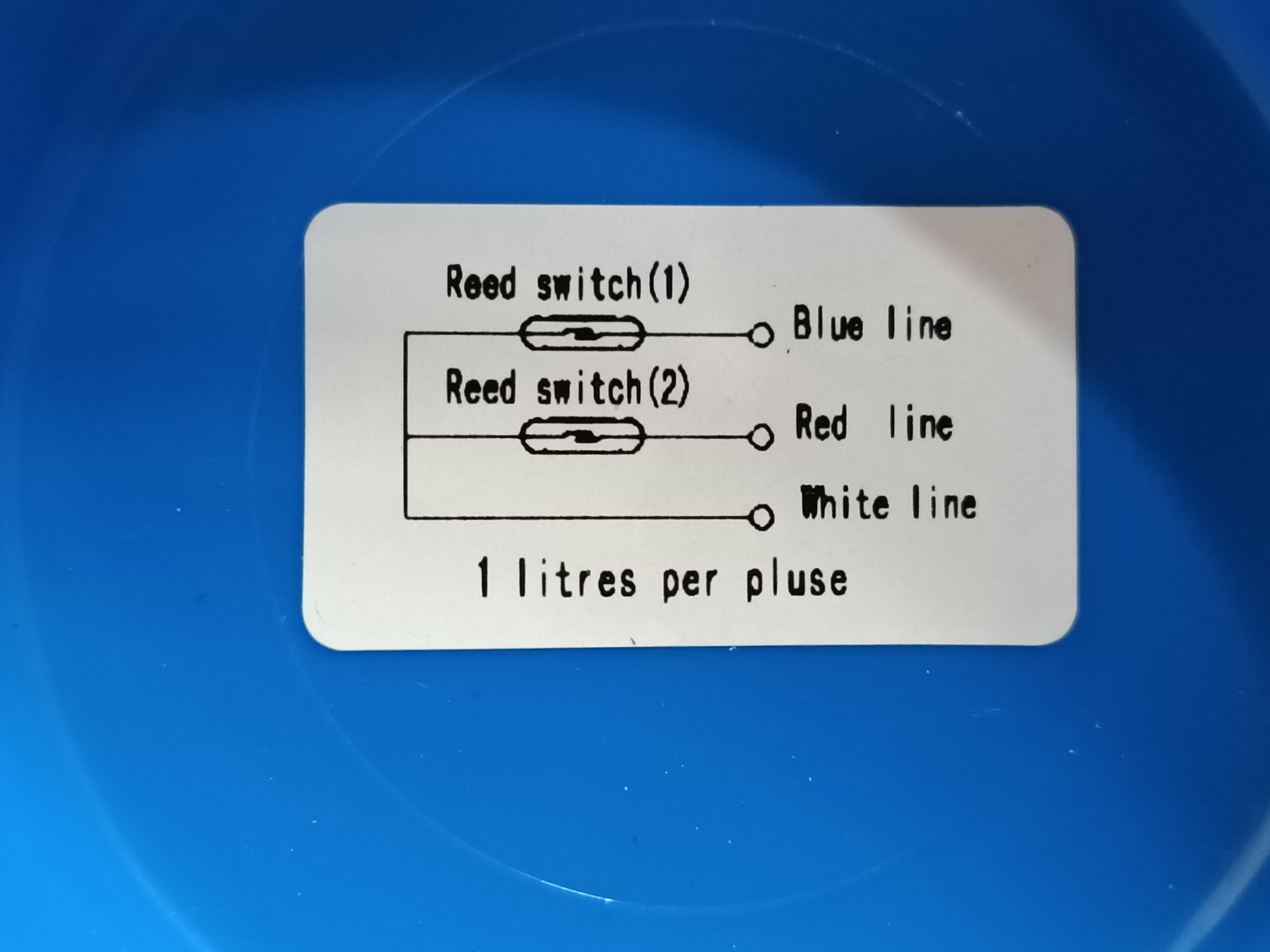
Is actually a microcomputer (Arduino Uno Wifi). The flow meter provides a ‘pulse’ for every litre of water it passes, pumped (rain) water is indicated by the presence of 5VCD from a USB power supply plugged into the pump controller.
For every litre of water through the meter, the Arduino ‘posts’ data to a database on the home NAS (Synology DS918+). For a pumped litre, a ‘1’ is posted indicating tank/rain water used, otherwise a ‘0’ is posted indicating mains water is used. Each post is date and time stamped in the database allowing for all sorts of reporting including flow rates and totals. The database also has a manual meter reading entry to enable quantitative volumes to be calculated.
Cost Effective?
No number crunching has been done. Factors to be considered: Pump running costs – potentially very complicated due to varying tariffs and ‘free’ power from solar panels. Water usage saving… a basic fudge could be extrapolated from the quarterly water account.
Stay tuned…